
GoldWin Customer Support and Complaint Handling
 Available in GB
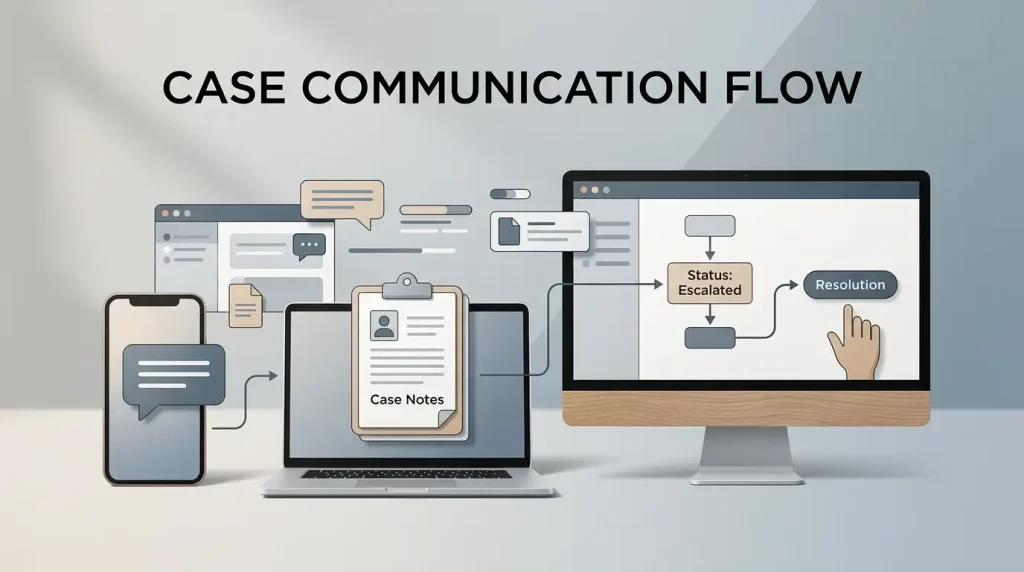
Support includes 24/7 live chat and email, while complaint reports are best treated as experience signals.
How to contact GoldWin support
GoldWin support includes 24/7 live chat and email. For a routine question, live chat is the fastest channel to try first because it allows you to describe the issue interactively. Email is better when you need to provide a structured timeline, retain a durable written record, or refer to documents and transaction details. UK users dealing with a payment, verification or account dispute should keep copies of important messages regardless of which channel they start with.
Support availability does not guarantee that every problem will be resolved immediately. Independent review platforms contain a notable volume of complaints, including reports of withdrawal delays. Those reports are experience signals, not proof that every user will have the same outcome. They do, however, make good record-keeping and a clear escalation process more important when money or account access is involved.
Live chat: best for first-line troubleshooting
Use live chat when the issue can be stated in a few sentences and you need clarification about the next step. Examples include a missing account setting, a question about where to find a cashier status, or a request to understand what information support needs from you. Start by giving the minimum details required to identify the issue without posting passwords or unnecessary sensitive information.
For anything involving a transaction, note the amount, payment method, date and visible status before opening the chat. Ask the agent to explain the current status and the next action expected from either side. If the interface provides a transcript or reference number, save it. If not, make your own note of the date, time and key answer.
Chat is less suitable for a long dispute with many attachments or a complex chronology. In that case, use it to obtain a reference or confirm the correct escalation route, then move the substantive record to email.
Email: better for a documented complaint
Email gives you space to present facts in order. A useful complaint message identifies the account in the way the operator requests, describes the problem, lists relevant transaction or case references, states what has already been tried, and asks for a specific resolution or explanation. Keep the tone factual. A concise chronology is easier to investigate than a long message mixing several unrelated concerns.
Do not send passwords, full card credentials or other secrets by email. If verification documents are requested, use the operator’s designated secure process where one is provided rather than assuming ordinary email is appropriate. The separate GoldWin verification guide explains the KYC topic without inventing a fixed document list that has not been officially verified.
Retain the sent message and any reply. If the case later becomes a formal complaint, this record helps show what you asked, when you asked it and how the operator responded.
Withdrawal complaints: build an evidence trail
Withdrawal issues deserve particular care because public review sources contain a meaningful number of delay complaints. Again, these are not universal outcome data: a review platform tends to attract users who have something to report, and individual cases can involve different circumstances. The useful takeaway is procedural. If your withdrawal is delayed, collect evidence early instead of relying on memory.
Record the withdrawal request date, amount, payment method, current status and any case reference. Keep saved records that show status changes, but redact sensitive details if you later share them publicly. Note any verification requests and when you completed them. Then ask support a focused question: what is currently preventing completion, and what action is required from you?
For payment-specific context, use the dedicated GoldWin withdrawals guide. That page is the right place for payment workflow and verified transaction facts; this support page focuses on communication and escalation.
How to escalate a support issue
- Define one issue. Separate a withdrawal problem from unrelated bonus or game questions.
- Collect the timeline. List dates, transaction references and prior contacts in chronological order.
- Ask for the next step. Request a concrete explanation of what is pending and whether anything is required from you.
- Move to a durable channel. If chat does not resolve a material issue, preserve the transcript and use email for the full record.
- Request formal escalation. Ask support to identify the operator’s complaint route and any case or complaint reference.
- Keep evidence. Save replies, saved records and relevant terms as they appeared during the dispute.
This process does not assume a particular outcome. It simply makes the case easier to understand and reduces the risk that important details disappear across repeated conversations.
What complaint reports can and cannot tell you
Independent review platforms are useful for identifying recurring themes, and withdrawal delays are one such theme in the sources reviewed for GoldWin. They are not a controlled sample of all customers. A complaint may be accurate, incomplete, unresolved at the time of posting or later settled. For that reason, this review does not convert complaint volume into a claim that GoldWin always delays withdrawals or that every complaint has the same cause.
The stronger use of complaint data is as a risk signal. Before depositing, consider whether you are comfortable with the operator’s trust profile and whether you know how you would document a dispute. The separate GoldWin legitimacy and trust guide looks at those broader signals rather than treating support reviews as a substitute for licensing evidence.
Search interest around GoldWin also shows strong decision intent involving withdrawals, complaints, verification, licensing and legitimacy. That pattern explains why support quality matters to prospective users: they are not only asking how to open chat, but how the operator handles problems when the stakes are higher.
UK context: support is not the same as regulatory protection
A 24/7 chat service is a customer-service feature. It should not be read as evidence of a particular regulatory status, dispute scheme or consumer-protection arrangement. Licensing conclusions need separate regulatory evidence, not the presence of support channels.
That distinction is important when escalating a dispute. Start with the complaint process actually stated for the account, keep the case tied to the issue being raised, and preserve the support record. Regulatory questions should be assessed separately from the availability of chat or email support.
How to write a useful complaint record
A good record is short enough to scan but detailed enough to verify. Put the core issue in the first sentence. Then add a timeline with dates, amounts or case references where relevant. State what you have already supplied and what response you received. Finish with one clear request, such as confirmation of the current status or escalation to the appropriate complaint handler.
Avoid sending the same long message repeatedly through several channels at once. Duplicate threads can make the chronology harder to follow. If you switch from chat to email, reference the earlier conversation and preserve the transcript. If support asks for information, answer the specific request and keep proof of submission.
If you post about the dispute publicly, remove personal data, account identifiers and payment details. Public complaints can help other users understand experience signals, but protecting your account and identity should come first.
When to stop troubleshooting and reconsider
If a material issue remains unresolved after clear follow-ups, the useful next move is not endless repetition. Ask for the formal escalation route, preserve the evidence and reassess whether you want to continue using the service while the dispute is open. A support channel can be available around the clock while the underlying resolution still takes time; availability and resolution quality are separate questions.
Prospective users can apply the same principle before depositing. Check support access, understand the verification process, review withdrawal information and consider the complaint signal together. No single review or support transcript can guarantee your future experience, but these checks reduce avoidable uncertainty.
GoldWin support verdict
The verified contact picture is straightforward: GoldWin offers 24/7 live chat and email support. Live chat suits quick first-line questions; email is the stronger choice for a documented complaint or complex case. The notable public signal is a body of complaints that includes withdrawal-delay reports, which should be treated as a risk indicator rather than as proof of universal behaviour.
If you need support, keep the issue focused, save transcripts and transaction evidence, and escalate in writing when necessary. For a decision about whether the broader trust profile is acceptable, combine the support evidence with the site’s licensing, verification and withdrawal guides rather than judging the casino from channel availability alone.
Before contacting support
A few checks can prevent an unnecessary support loop. Confirm that you are signed into the correct account, refresh the relevant account or cashier page, and make sure a browser or network issue is not hiding an updated status. For payment questions, compare the transaction reference shown by your payment provider with the record visible in the casino account.
Then write down the exact question you need answered. A precise request such as “Please confirm the current status of withdrawal reference X and whether any action is required from me” is easier to handle than a general demand for an update. Clear requests also create better evidence if escalation later becomes necessary.
Related GoldWin guides
Continue with GoldWin casino review.